
-
The Role of Artificial Intelligence in Energy Management
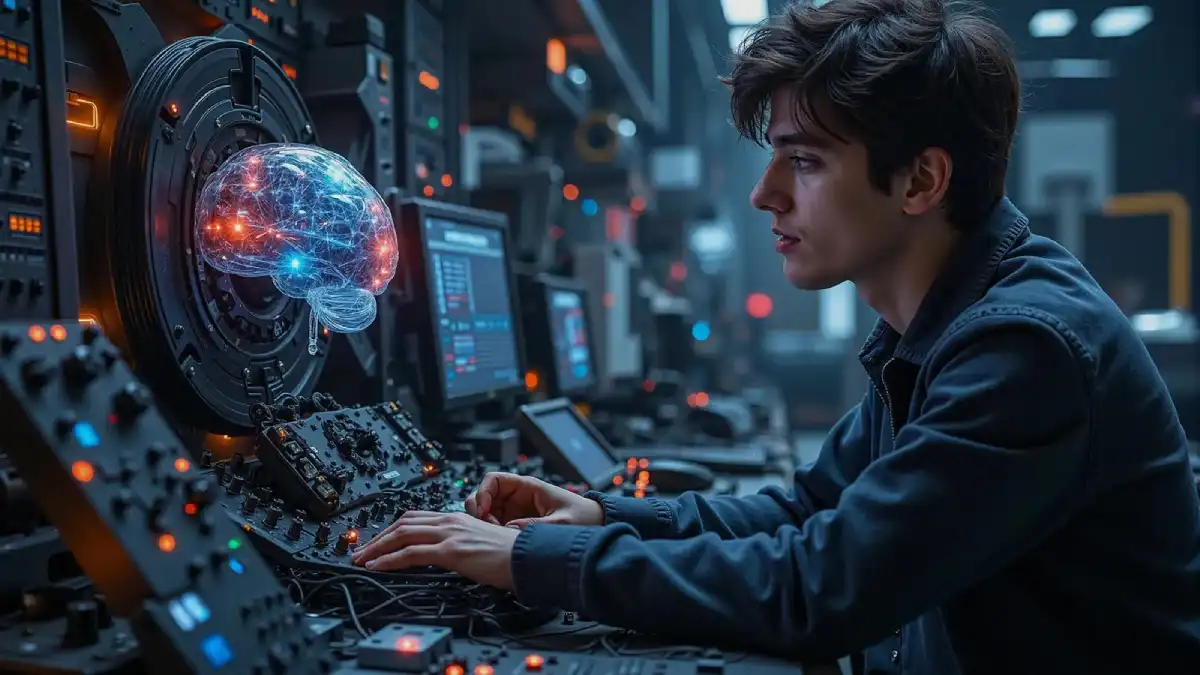
Artificial intelligence (AI) has recently become a key tool for optimizing energy consumption. With the growth of data collected from sensors and smart systems, machine learning algorithms can identify and predict consumption patterns, enabling smarter energy distribution.
In the power industry, AI can analyze grid load and provide strategies for redistributing power in response to sudden demand surges. Within smart grids, this technology helps operators prevent outages and stabilize voltage fluctuations.
When combined with IoT, AI can detect high-energy-consuming devices and automatically regulate them during peak hours. In industrial settings, it can predict equipment failures before they occur, ensuring continuous operation and reducing maintenance costs.
AI not only improves efficiency but also plays a central role in transitioning toward sustainable energy systems. In the near future, the integration of data, learning, and automation will elevate the power industry to a new level of intelligence—where energy use is precise, predictable, and optimized.
-

Electric Vehicle Charging Infrastructure
With the global shift toward electric vehicles, the demand for reliable and efficient charging infrastructure has become more critical than ever. The development of fast-charging networks not only supports clean transportation but also plays a vital role in shaping the future of the power industry.
Designing specialized electrical panels for charging stations is a major engineering challenge. These panels must handle high currents, control circuit temperatures, and integrate intelligently with payment systems and energy management software.
In many countries, charging stations operate through hybrid setups combining solar energy and grid power. This approach reduces pressure on the main grid while improving stability and sustainability. Emerging technologies like wireless and ultra-fast charging are also being incorporated into future systems.
Investing in EV charging infrastructure promotes sustainable mobility while creating new industrial and economic opportunities. Each electrical panel in this network serves as a critical bridge connecting the future of energy and transportation—a future that runs on clean, intelligent power.
-
Renewable Energy: Building a Greener Future
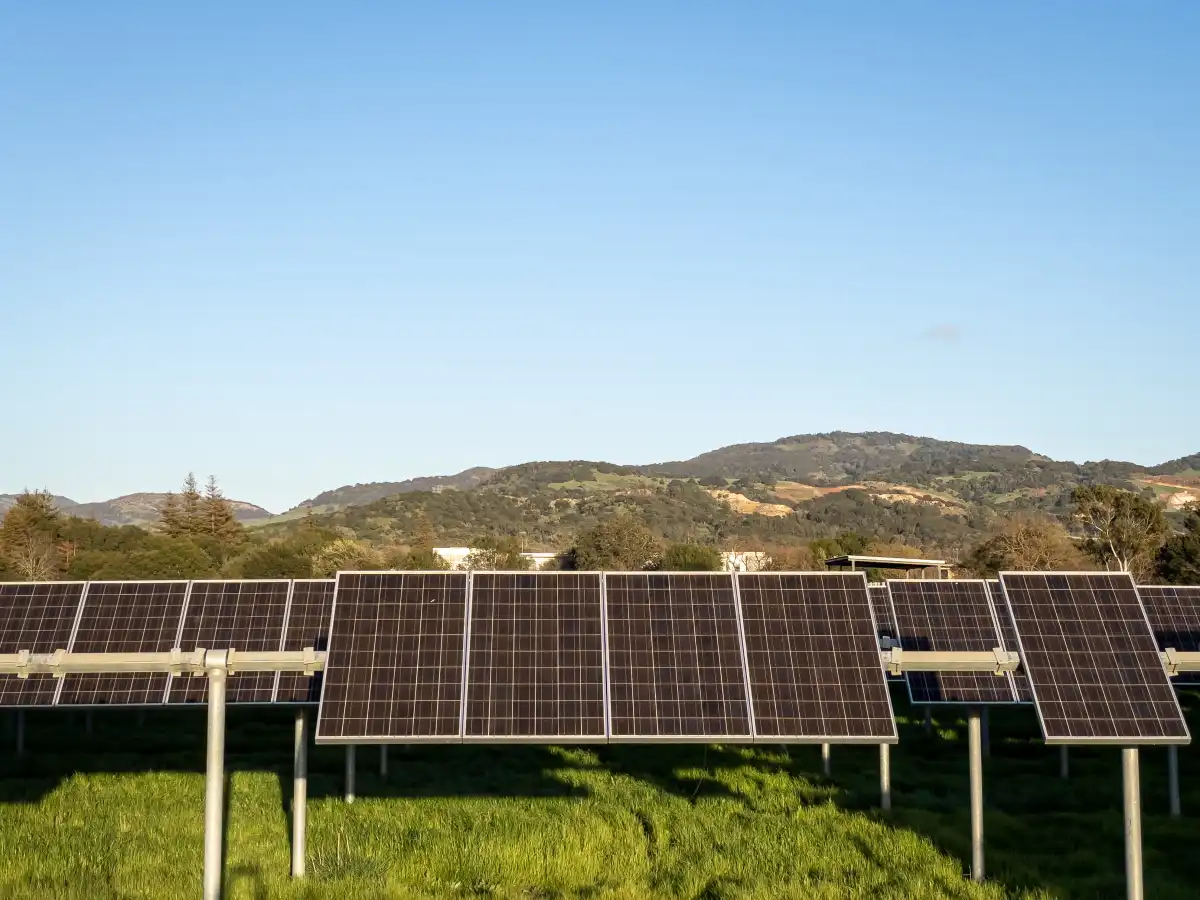
The growing environmental pollution and depletion of fossil fuels have pushed the world toward renewable energy sources. Solar, wind, and hydro power have emerged as sustainable and clean alternatives for electricity generation through modern technologies.
In recent years, the integration of renewable energy with smart control systems has revolutionized efficiency. Smart electrical panels equipped with digital controllers can adjust energy production and consumption in real-time, preventing unnecessary waste.
For example, in a solar-powered building, the smart panel can store excess energy during the day and release it at night. Similarly, in urban power networks, wind energy can automatically balance solar output, ensuring system stability and continuity.
Using clean energy not only helps protect the environment but also reduces long-term production and consumption costs. The future of the power industry is moving toward a system where every energy source operates intelligently and in harmony with others. Electricity will not only power our lives—it will represent sustainability itself.
-

The Internet of Things (IoT) in the Power Industry
The Internet of Things (IoT) is one of the most transformative technologies of our time, revolutionizing how electrical systems operate. In the past, electrical devices such as panels, switches, and sensors worked independently. Today, connecting them through IoT enables real-time monitoring, automation, and remote control.
In IoT-based electrical systems, every device acts as a “smart node,” capable of collecting and transmitting environmental or operational data. This data is stored and analyzed on a central server or cloud platform, allowing intelligent decisions for energy management, fault detection, and predictive maintenance.
For instance, in a factory, IoT systems can continuously monitor the temperature of electric motors and send alerts in case of abnormal increases, preventing costly breakdowns. In residential buildings, IoT allows users to measure and control electricity usage across appliances with precision.
The major benefits of IoT in the power sector include increased efficiency, reduced maintenance costs, and enhanced safety. The future of electricity lies in intelligent connectivity—where every device, from the smallest sensor to the largest switchboard, forms part of an integrated digital network that learns, adapts, and optimizes energy use.
-

Smart Buildings: A Step Toward the Future
Smart buildings represent one of the most significant revolutions in the electrical industry over the past decade. In the past, lighting, ventilation, and security systems were controlled separately and manually. Today, thanks to the rise of the Internet of Things (IoT) and intelligent control technologies, all these systems can operate in an integrated and automated manner.
A smart building system uses sensors and central controllers to analyze environmental data such as temperature, lighting, humidity, and occupancy. Based on this information, it makes decisions automatically. For example, when residents leave home, the system can turn off lights, adjust the thermostat to an energy-saving mode, and close unnecessary circuits—significantly reducing power consumption.
Beyond energy efficiency, smart buildings also enhance safety. The integration of fire alarms, CCTV cameras, and gas leak sensors into a central monitoring system enables quick responses during emergencies. Moreover, users can control all connected devices remotely via smartphones or computers.
In the near future, smart buildings will become a core component of sustainable cities. Combining intelligent systems with renewable energy sources—such as solar or wind power—marks a major step toward reducing pollution and optimizing resource use. Smart electrical control is not just a luxury; it is the foundation of a safer, more efficient, and environmentally friendly urban lifestyle.
Blog
Written by
in